
Setting goals is a key step toward achieving success, but setting unrealistic goals can lead to frustration and burnout. Weekly goals act as manageable milestones that guide your progress and keep you motivated. However, the challenge is to set goals that are ambitious yet achievable.
In this post, we’ll explore how to set realistic weekly goals that boost your productivity and contribute to your long-term success.
Why Setting Weekly Goals Matters
Weekly goals help you break down big projects into smaller, actionable steps. They encourage consistency and provide clear direction for each week, so you can track progress and make adjustments as needed. Unlike daily goals, weekly goals allow for flexibility in case unexpected events arise.
Steps to Set Realistic Weekly Goals
1. Reflect on Your Long-Term Objectives
Start by considering your broader goals—whether personal, professional, or academic. Your weekly goals should align with these to maintain focus and ensure your daily efforts contribute to bigger achievements.
2. Assess Your Current Capacity
Be honest about how much time and energy you realistically have during the week. Consider your work hours, personal commitments, and energy levels. Setting too many goals can lead to stress and decreased motivation.
3. Prioritize Your Tasks
List all the tasks you want to accomplish this week. Then, rank them based on importance and deadlines. Prioritizing helps you focus on what truly matters and prevents wasting time on low-impact activities.
4. Set Specific and Measurable Goals
Instead of vague goals like “exercise more,” make them specific and measurable: “Exercise for 30 minutes, 3 times this week.” Clear goals make it easier to track progress and stay accountable.
5. Break Down Big Goals Into Smaller Tasks
If a goal seems overwhelming, divide it into smaller subtasks. For example, if your goal is to write a report, your subtasks could include researching, outlining, drafting, and editing.
6. Limit the Number of Weekly Goals
Aim for 3 to 5 main goals per week. Fewer goals help you maintain focus and reduce the risk of feeling overwhelmed.
7. Plan Your Week Ahead
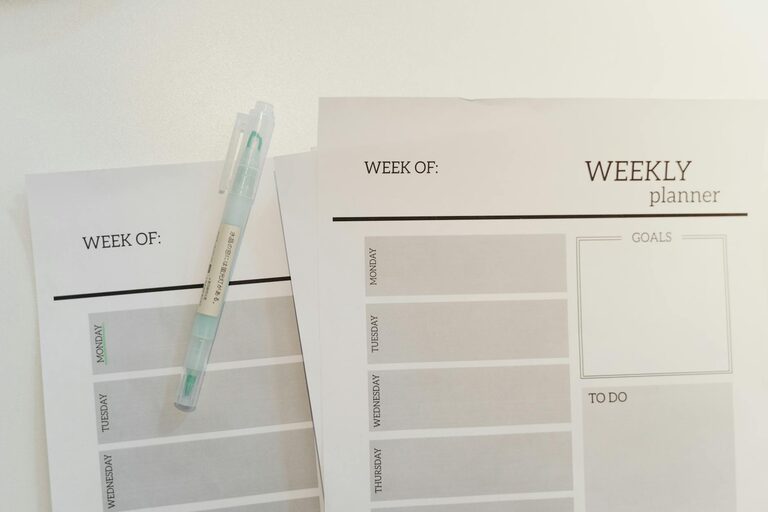
Use a planner, calendar, or digital tool to schedule time blocks dedicated to working on your weekly goals. Visualizing your week helps you allocate enough time and prevents overbooking.
8. Stay Flexible
Life is unpredictable, so allow some flexibility in your plan. If a goal isn’t completed, assess why and make adjustments for the following week instead of feeling discouraged.
Tips to Stay Motivated and On Track
– Review your goals daily: Spend a few minutes each day reviewing your weekly goals to stay focused.
– Celebrate small wins: Recognize your achievements to maintain motivation.
– Use reminders: Set alerts or notes to prompt you to work on your goals.
– Share your goals: Tell a friend or colleague about your goals for added accountability.
– Reflect and adjust: At the end of each week, evaluate what worked and what didn’t, then fine-tune your strategy.
Tools to Help You Manage Weekly Goals
– To-Do List Apps: Apps like Todoist, Microsoft To Do, or Google Keep help you organize and check off tasks.
– Calendar Apps: Google Calendar or Outlook can be used to schedule goal-related activities.
– Bullet Journals: A creative, customizable way to track your goals and progress.
– Habit Trackers: Apps like Habitica or Streaks encourage consistency by tracking habits linked to your goals.
Avoid Common Pitfalls
– Overloading your schedule: Taking on too much can lead to burnout.
– Being too vague: Vague goals aren’t actionable or measurable.
– Ignoring obstacles: Anticipate possible challenges and plan for how to overcome them.
– Not reviewing progress: Regular review keeps you accountable and allows course corrections.
Sample Weekly Goal Plan
| Goal | Tasks | Priority | Deadline |
|—————————–|—————————|———-|———–|
| Finish project outline | Research, draft outline | High | Wednesday |
| Exercise regularly | 30 min walk, 3 times | Medium | Friday |
| Organize workspace | Declutter desk, files | Low | Sunday |
Final Thoughts
Setting realistic weekly goals is a simple but powerful strategy to enhance productivity and achieve more without stress. By reflecting on your priorities, breaking goals into manageable tasks, and maintaining flexibility, you’ll build momentum toward your larger ambitions. Remember, the key is progress, not perfection.
Start your week with clear, realistic goals and make your productivity soar!