
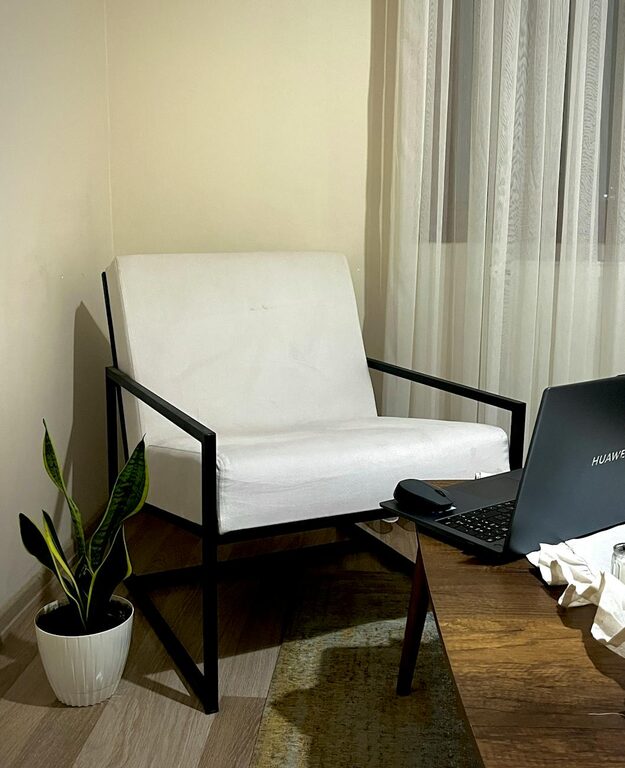
Creating a relaxing home workspace is essential for maintaining productivity and well-being, especially as many of us spend more time working from home. A well-designed area can reduce stress, boost creativity, and help you focus on your tasks with ease. In this post, we’ll explore practical steps to transform any corner of your home into a soothing and efficient workspace.
Why a Relaxing Workspace Matters
Your environment greatly impacts how you feel and work. Clutter, noise, uncomfortable furniture, and poor lighting can add to stress and reduce concentration. On the other hand, a space that feels calm, organized, and personalized encourages better work habits and mental clarity. By intentionally crafting your home workspace, you set the stage for improved productivity and a more enjoyable workday.
Choosing the Right Location
Selecting the right spot for your workspace is the first step.
– Quiet and Private: Look for a quieter area where you can minimize interruptions and background noise. This might be a spare room, a corner in a bedroom, or a section of your living room.
– Natural Light: Position your desk near windows if possible. Natural light helps reduce eye strain and improves mood.
– Away from High Traffic: Avoid placing your workspace near busy areas to reduce distractions.
Declutter and Organize
A cluttered workspace can overwhelm and distract you. Use these tips to keep your area tidy:
– Use Storage Solutions: Shelves, drawers, and organizers keep supplies out of sight when not in use.
– Limit Items on Desk: Keep only essentials like your computer, notebook, and a pen holder.
– Regularly Clean and Clear: Set a weekly reminder to tidy up your desk and remove non-essential items.
Choose Comfortable and Functional Furniture
Comfort plays a big role in how relaxed you feel while working.
– Ergonomic Chair: Invest in a chair that supports good posture and has adjustable height and backrest.
– Proper Desk Height: Your desk should allow your arms to rest comfortably with elbows at about a 90-degree angle.
– Footrest: If your feet don’t touch the ground comfortably, use a footrest to avoid strain.
Personalize Your Space with Calming Elements
Incorporate elements that help you feel calm and inspired without creating clutter.
– Plants: Small indoor plants improve air quality and add a touch of nature.
– Soft Lighting: Use desk lamps or LED lights with adjustable brightness rather than harsh ceiling lights.
– Personal Touches: Photos, artwork, or motivational quotes can make the area inviting.
– Calming Colors: Consider painting or decorating the space with soft, neutral hues like light blues, greens, or pastels.
Manage Noise and Distractions
Noise can interrupt your focus and increase stress. Here’s how to manage it:
– Noise-Canceling Headphones: Great for blocking distracting sounds.
– White Noise or Soft Music: Gentle background sounds can help mask distracting noises.
– Close Doors or Use a Room Divider: Physically separating your workspace can reduce noise and visual distractions.
Optimize Technology Setup
A smooth tech setup helps maintain workflow with less frustration.
– Orderly Cables: Use cable organizers to keep cords neat and avoid tangling.
– Good Internet Connection: Ensure your Wi-Fi is reliable, or consider a wired connection.
– Multiple Screens: If your work requires it, dual monitors can increase productivity.
Incorporate Break Areas
Even a small home workspace benefits from planned breaks.
– Comfortable Spot Nearby: A cozy chair or cushion near your desk allows for quick relaxation.
– Stretching Space: A little room for stretching or light movement helps refresh your mind.
– Keep Water and Snacks Handy: Staying hydrated and refreshed supports focus.
Maintain a Routine
A relaxing workspace works best alongside a consistent daily routine.
– Start your day by tidying your desk.
– Set specific work hours and stick to them.
– Use tools like planners or apps to manage tasks efficiently.
Final Thoughts
Transforming your home workspace into a relaxing environment takes intention but offers many rewards. From choosing a quiet spot and keeping things organized to adding personal touches and comfortable furniture, these simple steps can create a space that supports your productivity and peace of mind. Remember, a calm and inviting work area isn’t just about looks—it’s about how the space makes you feel and helps you perform your best.
Creating this balance will make working from home a more enjoyable and effective experience. Start small and gradually tailor your space to suit your needs and preferences. Your mind (and your work) will thank you!