
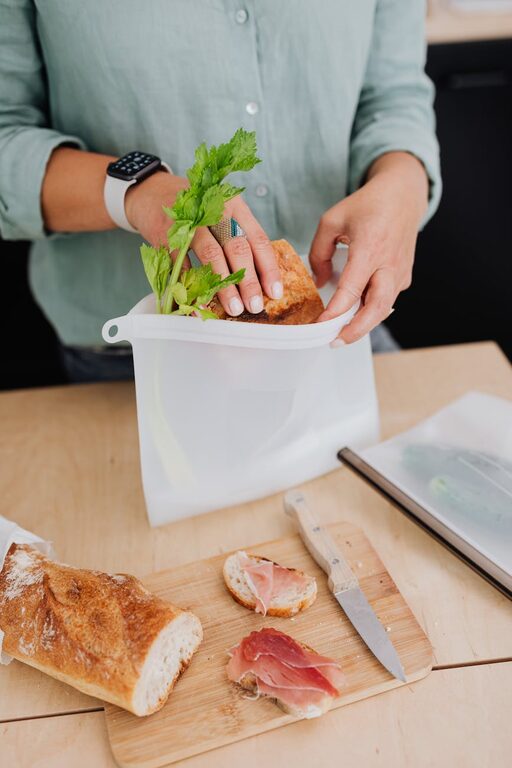
Reducing food waste at home is a meaningful way to save money, conserve resources, and protect the environment. Every year, millions of tons of food are thrown away worldwide, much of it still perfectly edible. The good news is that by making a few mindful changes in your kitchen and shopping habits, you can significantly cut down on waste. This post shares practical tips and ideas that anyone can follow.
Why Reducing Food Waste Matters
Food waste affects more than just your grocery bill. Growing, processing, and transporting food requires water, energy, and labor. When food is thrown away, these resources are wasted too. Additionally, decomposing food in landfills releases methane, a potent greenhouse gas.
By reducing the amount of food you discard, you contribute to a healthier planet and create a more efficient food system. Plus, you’ll enjoy the benefits of a well-organized kitchen and lower grocery costs.
Plan Your Meals Ahead
Create a Weekly Meal Plan
One of the most effective ways to avoid food waste is by planning your meals in advance. When you know what you intend to cook, you can buy only the ingredients you need. This reduces impulse purchases and excess food that might go unused.
– Make a simple meal plan for the week.
– Check your pantry and fridge first to use what you already have.
– Build your shopping list based on planned meals.
Shop with a List and Stick to It
Before heading to the store, write a precise list based on your meal plan. Stick to the list to avoid buying unnecessary items that may spoil before being consumed.
Shop Smart and Store Food Properly
Buy Only What You Need
Avoid bulk purchases unless you are sure you can use everything before it spoils. If you do buy in bulk, consider splitting items with friends or family.
Understand Expiration Dates
“Best before” dates often indicate quality rather than safety. Many foods are still safe to eat after the date has passed, so use your senses to evaluate freshness—look, smell, and taste when appropriate.
Store Food Correctly to Extend Freshness
Proper storage helps keep food fresh longer.
– Keep fruits and vegetables separate, as some emit gases that can spoil others.
– Store bread in a cool, dry place and freeze extra loaves.
– Use airtight containers for leftovers and opened packages.
– Know which foods belong in the fridge versus the pantry.
Use Leftovers Creatively
Plan for Leftovers in Your Meals
Cooking slightly larger portions and intentionally planning to use leftovers can prevent waste. Leftovers can be turned into new dishes like soups, stir-fries, or sandwiches.
Repurpose Food Scraps
Vegetable peels, bones, and scraps can be used to make homemade stock or composted to enrich your garden soil.
Practice Portion Control
Serving appropriate amounts helps reduce uneaten food on plates. Start with smaller servings and go back for seconds if still hungry.
Preserve Food When Possible
Freeze Surplus Food
Many foods—including bread, meat, cooked meals, and some vegetables—freeze well and last much longer.
Pickle, Dry, or Can Excess Produce
Preserving seasonal fruits and vegetables by pickling, drying, or canning lets you enjoy them later and prevents spoilage.
Compost What You Can’t Eat
Composting food scraps reduces landfill waste and creates nutrient-rich soil for gardens. Many communities also offer food scrap recycling programs if home composting isn’t feasible.
Educate and Involve Your Household
Make reducing food waste a team effort by discussing it with family members or roommates. Share these tips and encourage everyone to be mindful about waste.
Final Thoughts
Reducing food waste at home is a simple, impactful way to make a positive difference. By planning meals, shopping thoughtfully, storing food properly, using leftovers, and composting scraps, you can save money and support a more sustainable lifestyle. Start small, adopt a few tips at a time, and watch how these changes add up.
Remember, every little effort counts toward a cleaner kitchen and a healthier planet!