
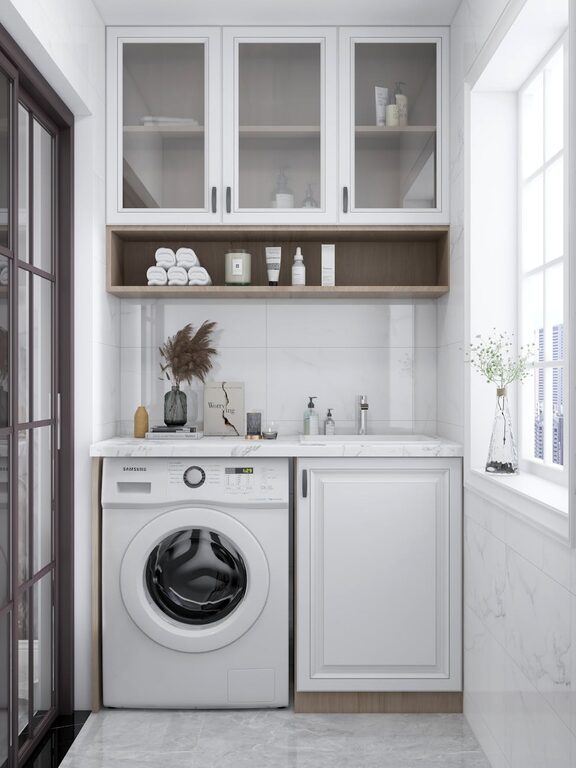
Creating a peaceful and quiet home environment can greatly improve your comfort, reduce stress, and help you focus better. Noise from both inside and outside the house can be distracting and tiring. Fortunately, there are simple and practical ways to minimize unwanted sounds without needing major renovations. This guide will walk you through effective strategies to reduce noise at home and enjoy a more tranquil space.
Understanding the Sources of Noise
Before diving into solutions, it’s helpful to identify where the noise comes from. Common sources include:
– Traffic and street noise
– Loud appliances or electronics
– Noisy neighbors or pets
– Echoes and sound reflections inside rooms
Knowing this helps you target the most effective ways to cut down on noise.
Simple Steps to Reduce Noise at Home
1. Use Soft Furnishings to Absorb Sound
Hard surfaces reflect sound waves, making rooms noisier. Adding soft materials can absorb noise and soften echoes.
– Rugs and Carpets: Place rugs in high-traffic areas or under furniture to reduce footsteps and absorb sound.
– Curtains and Drapes: Heavy curtains block outside noise and also reduce echoes inside.
– Upholstered Furniture: Sofas and chairs with fabric upholstery absorb sound better than leather or wood.
2. Seal Windows and Doors
Gaps in windows and doors are common noise entry points. Sealing them can reduce the amount of sound that passes through.
– Weatherstripping: Apply weatherstripping tape around doors and window frames to fill gaps.
– Door Sweeps: Install sweeps on the bottom of doors to block noise from hallways or outside.
– Window Inserts or Double Glazing: Consider adding window inserts or upgrading to double-glazed windows for better sound insulation.
3. Rearrange Your Space Strategically
How you arrange your furniture can have a surprising effect on noise levels.
– Bring Large Furniture Against Shared Walls: Bookshelves or wardrobes positioned against walls shared with noisy neighbors help block sound.
– Create Noise Buffers: Place padded furniture or thick curtains near noisy windows or doors for added sound absorption.
4. Use Sound-Absorbing Panels and Decor
Specialized soundproofing materials can help, but some decorative options work well too.
– Acoustic Panels: These can be mounted on walls to reduce echo and incoming noise.
– Wall Hangings and Tapestries: Fabric wall decorations dampen sound reflections.
– Plants: Large leafy plants absorb some sound and also create a calming atmosphere.
5. Manage Internal Noise Sources
Sometimes the noise comes from within your home. Minimizing those sounds contributes to overall quietness.
– Appliance Maintenance: Keep appliances like air conditioners and refrigerators well-maintained to reduce noise.
– Use Quiet Models: When replacing appliances, look for quiet or low-noise options.
– Soft-close Mechanisms: Install soft-close hinges on cabinets and doors.
6. Create a Quiet Zone
Designate a room or a corner specifically for relaxation or work that’s kept as noise-free as possible.
– Use noise-reducing curtains and thicker rugs.
– Add a white noise machine or fan to mask unavoidable sounds.
– Keep electronic devices at low volume or use headphones.
7. Use Door and Window Curtains Wisely
Thick curtains are not only decorative but also functional in noise reduction.
– Select curtains with dense fabrics like velvet or layered thermal curtains.
– Close curtains fully during noisy times outside, such as rush hour.
8. Consider Outdoor Noise Barriers
Noise often comes from outside your home. If external noise is an issue, think about outdoor solutions.
– Fencing: Solid fences can block and diffuse street noise.
– Hedges and Trees: Dense greenery acts as a natural sound barrier.
– Outdoor Water Features: Adding a fountain or waterfall can create soothing white noise that masks unwanted sounds.
Tips for Long-Term Noise Reduction
– Regularly inspect doors and windows for air leaks and reseal them.
– Rotate rugs and curtains seasonally to maintain their sound-absorbing qualities.
– Consult with a professional if noise problems persist; they can identify structural issues and recommend effective soundproofing.
Final Thoughts
Reducing noise at home doesn’t have to be complicated or expensive. Small changes like adding soft furnishings, sealing gaps, and rearranging furniture can make a big difference in creating a quieter, more peaceful living space. Implementing these tips allows you to enjoy relaxation, better sleep, and improved focus in your own home.
Try combining several methods to find what works best for your situation. A quieter home is a happier home!